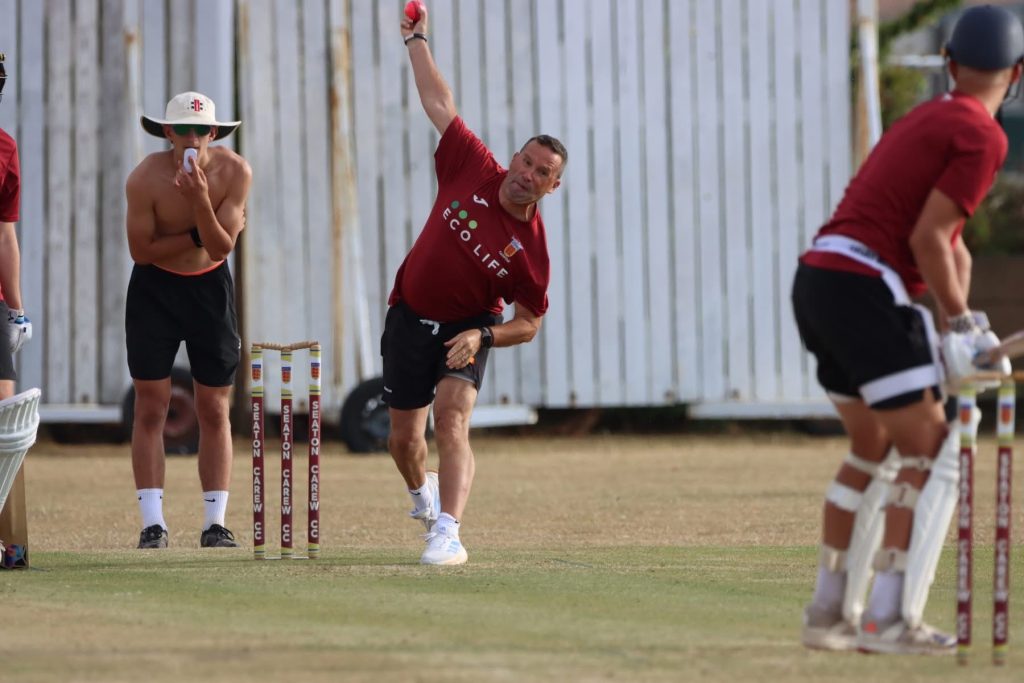
Beth Heslop is a sport & exercise science student at Hartlepool Sixth Form College. During a week of work experience at Rephrase, Beth has written a blog highlighting the benefits of turning to a physio for help, having spent time at Ian ‘Buster’ Gallagher’s First Team Physiotherapy Clinic in Hartlepool.
One of the misconceptions about First Team Physiotherapy is that physiotherapy is just for sport rehabilitation and that couldn’t be further from the truth.
Although often associated with sporting injuries, the benefits extend far beyond this.
Physiotherapy has a role to play in everyone’s life, from managing everyday aches and pains to improving mobility as we age.
It can help maintain independence and improve quality of life. It focuses on movement, function and pain management through personalised exercises which aim to improve strength, flexibility and balance.
Elderly people – As we age, changes in muscle strength, balance, flexibility and joint mobility can make everyday activities more challenging.
This makes it harder to do things such as walk and climb the stairs, making falls a lot more common.
Physiotherapy exercises can be prescribed to improve balance and coordination, reducing the risk of falling and therefore allowing them to feel more confident and keep their independence for day-to-day tasks.
People with desk-based jobs – Sitting in the same position for long periods of time can cause back pain, neck discomfort and stiffness.
Physiotherapy can provide exercises to strengthen muscles and improve flexibility. This will in turn improve posture, reducing the amount of discomfort experienced from sitting in one place for a long period of time.
Physiotherapists can also recommend ways for the patient to experience less discomfort at work through things like walking breaks or the arrangement of the workstation.
A physiotherapist might recommend that the patient adjust the screen height to reduce the strain on their neck and therefore decrease the amount of pain experienced.
Children – Physiotherapy can support the physical development of children and young people by improving balance, coordination and muscle strength, allowing them to walk, crawl, climb the stairs, etc.
Children who take longer to develop skills like walking may benefit from physiotherapy to assess their needs and prescribe activities to help develop those skills. This allows the children to develop the confidence and independence they need to do things on their own.
People with disabilities – Some disabilities can impact a person’s mobility and stop them from doing everyday tasks such as walking. Physiotherapy can prescribe these people suitable exercises to practise the movements needed for them to have independence. The physiotherapy would allow them to maintain strength and flexibility to support physical function.
Physiotherapy can help athletes perform at their best, but it can also help everyone manage pain, move more easily, and continue doing the things they need to do. The goals may differ but the main purpose is the same: improving quality of life.
Although physiotherapy is not solely used to improve sports performance and sports injury, it is commonly used for this. Four reasons physiotherapy is important in sport:
Recovering from sports injuries – Physiotherapy prescribes athletes exercises to build back strength and restore mobility after an injury.
Improving performance – By identifying areas for improvement in an athlete’s performance, physiotherapists can provide ways for the athlete to improve those areas.
Reducing the risk of injury – Physiotherapists can assess how athletes perform their sport and suggest technique adjustments to reduce unnecessary strain on the body.
Supporting a safe return to sport – Physiotherapists can assess if it is safe for an athlete to return to their sport following injury, by checking factors such as strength, balance and movement.
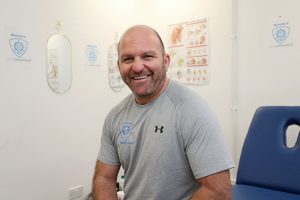
Following a sporting injury is not the only reason to consider physiotherapy – there are many different reasons it could benefit you.
You may want to consider physiotherapy if you are experiencing persistent aches and pains, stiffness or difficulty moving, recovering from surgery or injury, and managing a long term health condition.
If you’ve never been to a physiotherapy session before you may be concerned about what to expect. Sessions are tailored to the individual and their needs – no two appointments have to be the same.
Discuss your concerns – You will discuss your symptoms, injuries or pains with the physiotherapist. This will allow them to understand what is going on and see what they’re working with.
Assess your movement and physical abilities – The physiotherapist will carry out a physical assessment based on the symptoms you’re experiencing.
Create a personalised treatment plan – When the physiotherapist has got the information they need, they can make a treatment plan tailored to you.
Take part in exercises and treatment – Following the treatment plan made by the physiotherapist.
Learn exercises to do at home – The physiotherapist may recommend exercises for you to do outside of the sessions. These become an important part of the rehabilitation programme.
Review your progress – The physiotherapist will review your progress and make modifications to your training programme if necessary.
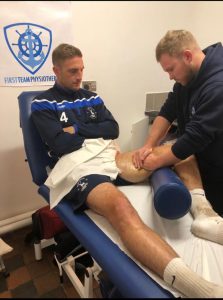
Physiotherapy can improve the quality of life for many people – it isn’t just about reducing pain, it is also about being able to enjoy hobbies and maintain independence.
To hear more about how First Team Physiotherapy can support you or your team, visit www.firstteamphysiotherapy.co.uk or call 07921 335026.
Physiotherapy can improve the quality of life for many people, it isn’t just about reducing pain it is also about being able to enjoy hobbies and maintain independence.”
-Beth Heslop, Work Experience, Rephrase Media
© Copyright Rephrase Media. All rights reserved 2026
Website design by Property Webmasters | SEO by Outrank